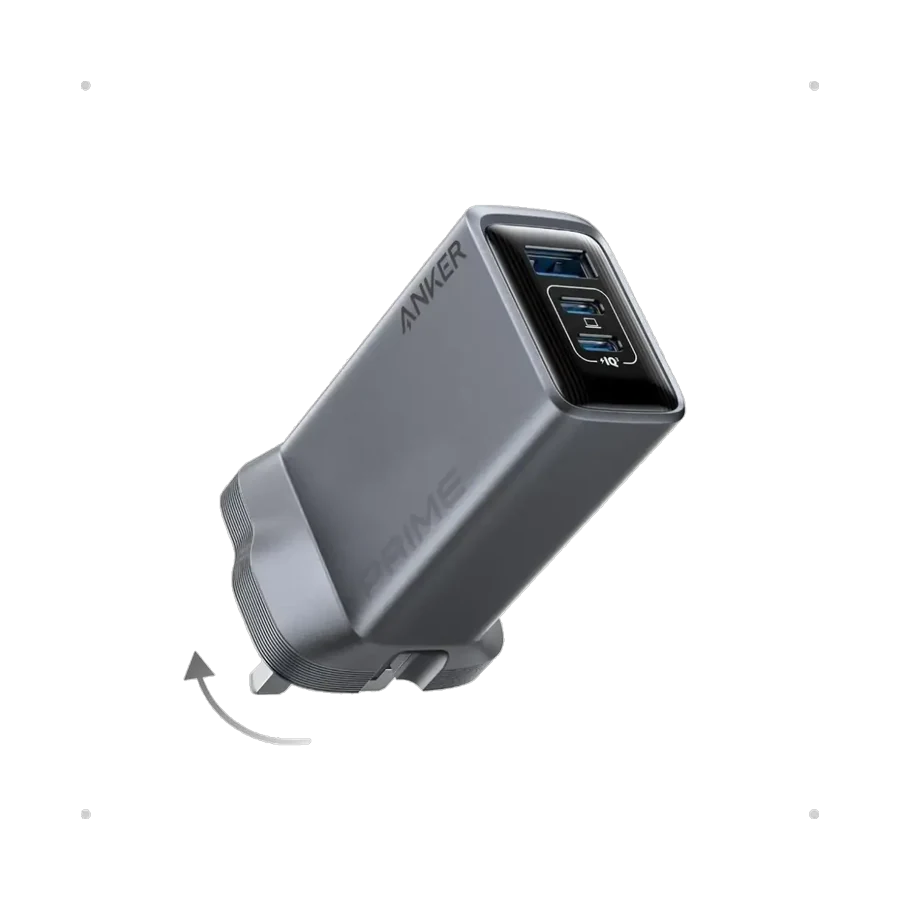
What to look for in a power bank.
Understand capacity, output, ports, and weight before choosing a power bank for your phone or everyday travel.
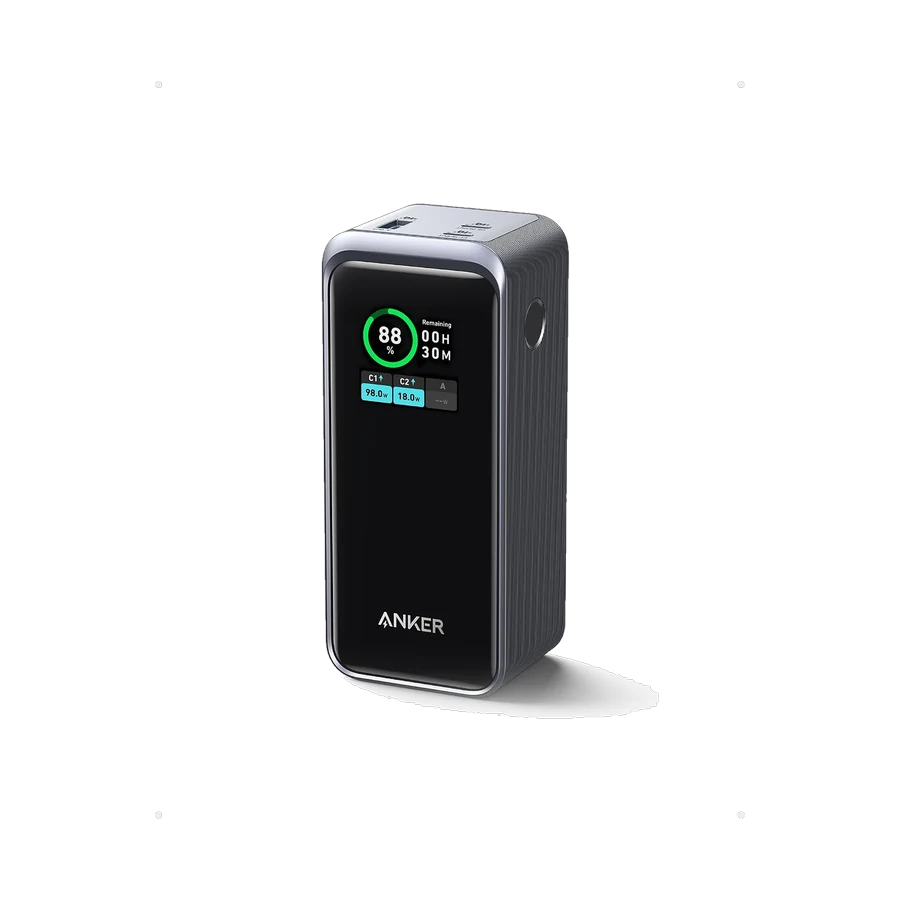
A power bank is useful when its size, output, and capacity match your day. The largest number on the package is only one part of the choice. Think about what you want to charge and how much weight you are comfortable carrying.
Capacity does not equal a guaranteed charge count
A capacity figure is a useful starting point, but it does not tell you exactly how many times a phone will recharge. Energy conversion, device use during charging, and other conditions affect the usable result. Be cautious about simple charge-count promises.
Choose for your routine: a compact backup for the commute or more reserve for a day away from a socket. A larger power bank generally adds bulk, so compare dimensions and weight alongside the capacity.
Match output to your device
Check supported charging protocols and output profiles for the device you want to connect. A phone and a laptop can have very different needs. Verify compatibility with your exact model rather than assuming a USB-C port guarantees suitable power.
Check the cable rating as well. If you use several ports at once, read the manufacturer’s power allocation details. The total advertised output may be split between connected devices.
Remember to charge the power bank itself
Input capability determines how you recharge the power bank. Check the recommended charger and cable, and whether either is included. A large capacity can be less convenient if you cannot replenish it in the time you normally have.
Keep a routine for topping it up before you need it. Follow the manufacturer’s storage and charging instructions, and avoid using a damaged unit. A clear battery indicator is useful, but it is not a replacement for checking the device’s condition.
Check travel requirements before leaving
For air travel, consult your airline’s current rules for power banks and batteries. Restrictions can depend on energy rating, quantity, and where the item is packed. Keep the product’s rating label readable and verify the rules for your actual journey.
Before buying, confirm capacity, compatible output, recharging requirements, size, and warranty. Compare those details with the devices and journeys you have in mind, then choose a model that fits the everyday use you expect.